
Views: 0 Author: Site Editor Publish Time: 2026-10-12 Origin: Site


Approving a pre-production sample represents only the first step in successful procurement. The real risk lies in mass-production variances. Premature adhesive curing frequently disrupts assembly lines. Plunger blowouts during pneumatic dispensing ruin expensive applications. Nozzle leaks destroy brand trust and lead to costly consumer returns. These common failures often trace back to unverified packaging specifications. You must address this quality control gap before shipping containers leave the factory floor.
Requesting comprehensive plastic sealant cartridge documentation before authoring the final shipment release mitigates supply chain disruptions. You protect your chemical product's shelf life effectively. Verifying exact dimensional tolerances prevents costly pneumatic blowouts on the job site. You will discover exactly how to scrutinize inspection reports, material certificates, and safety declarations. We outline the essential paperwork you need to ensure seamless international compliance.
Always require a batch-specific Certificate of Analysis (COA) to verify dimensional tolerances and burst pressure.
Updated Technical Data Sheets (TDS) must confirm the exact resin grade and plunger/nozzle compatibility.
Regulatory compliance documents (REACH, RoHS) are non-negotiable for international market distribution.
Tying final payment to the receipt of these documents ensures supplier accountability and traceability.
Defective packaging carries immense hidden costs. Product recalls damage your hard-earned market reputation quickly. Ruined adhesive batches waste valuable raw materials. Brand damage far outweighs the time spent reviewing quality reports. You must scrutinize documents closely. Many buyers mistakenly rely on a "golden sample" during supplier onboarding. A single perfect sample does not guarantee mass-production fidelity. Generic marketing specs remain insufficient for strict quality assurance. Molds wear down over thousands of injection cycles. Resin mixtures vary between material batches. Factory operators calibrate machinery differently across shifts. These minor shifts cause catastrophic failures later.
You need objective success criteria. Validate physical shipments against documented, contractually binding specifications. Do this before the container ever leaves the factory floor. Rejecting non-compliant goods post-shipment wastes freight money and customs fees. Proactive document review secures your investment upfront. Consider the mechanics of automated filling lines. High-speed equipment requires exact cartridge dimensions to function correctly. Even a one-millimeter deviation causes massive jams on the assembly line. These jams waste expensive adhesives and halt production completely. Reviewing paperwork prevents these catastrophic factory bottlenecks. The financial case remains perfectly clear. Spend one hour reviewing documents today. Save thousands of dollars in wasted materials tomorrow. Your procurement strategy must prioritize verifiable facts over sales promises.
Transitioning from generic product specifications to actual production realities requires hard data. The Certificate of Analysis (COA) bridges this crucial gap. It proves the current batch meets your approved standards. You must demand a COA tied directly to your specific lot number.
Physical dimensions dictate packaging success. Molds shift slightly during long production runs due to thermal expansion. Small deviations cause major issues.
Wall thickness uniformity: Consistent walls prevent rupture under high pneumatic pressure. Thin spots create dangerous weak points. Manufacturers should measure this using ultrasonic thickness gauges.
Inner diameter tolerances: Precise inner diameters ensure a tight plunger seal. Loose seals allow air ingress. Air ingress cures adhesives prematurely inside the tube. Inspectors typically verify this using optical comparators.
Overall length and neck dimensions: Variances here prevent proper capping. They also cause misalignment during automated filling procedures.
Raw measurements only tell half the story. Performance data proves functional reliability under stress. Demand test results reflecting real-world application scenarios.
Burst pressure test results: Factories must test how much pressure the walls can withstand following ASTM D1180 or equivalent standards. This prevents dangerous explosions in pneumatic caulking guns. High-viscosity sealants require exceptionally high burst ratings.
Drop test data: Compare filled versus unfilled drop results. Impact resistance prevents transit damage. Drops from standard pallet heights should not crack the base.
Moisture Vapor Transmission Rate (MVTR): A low MVTR keeps moisture out. Moisture checks ensure sensitive polyurethane adhesives will not cure prematurely. Manufacturers test this by exposing the plastic to controlled humidity chambers according to ASTM F1249 guidelines.
Common Mistake: Accepting a COA dated months before your production run. Always verify the date matches your manufacturing window. Using outdated QC reports leaves you vulnerable to recent tooling degradation.
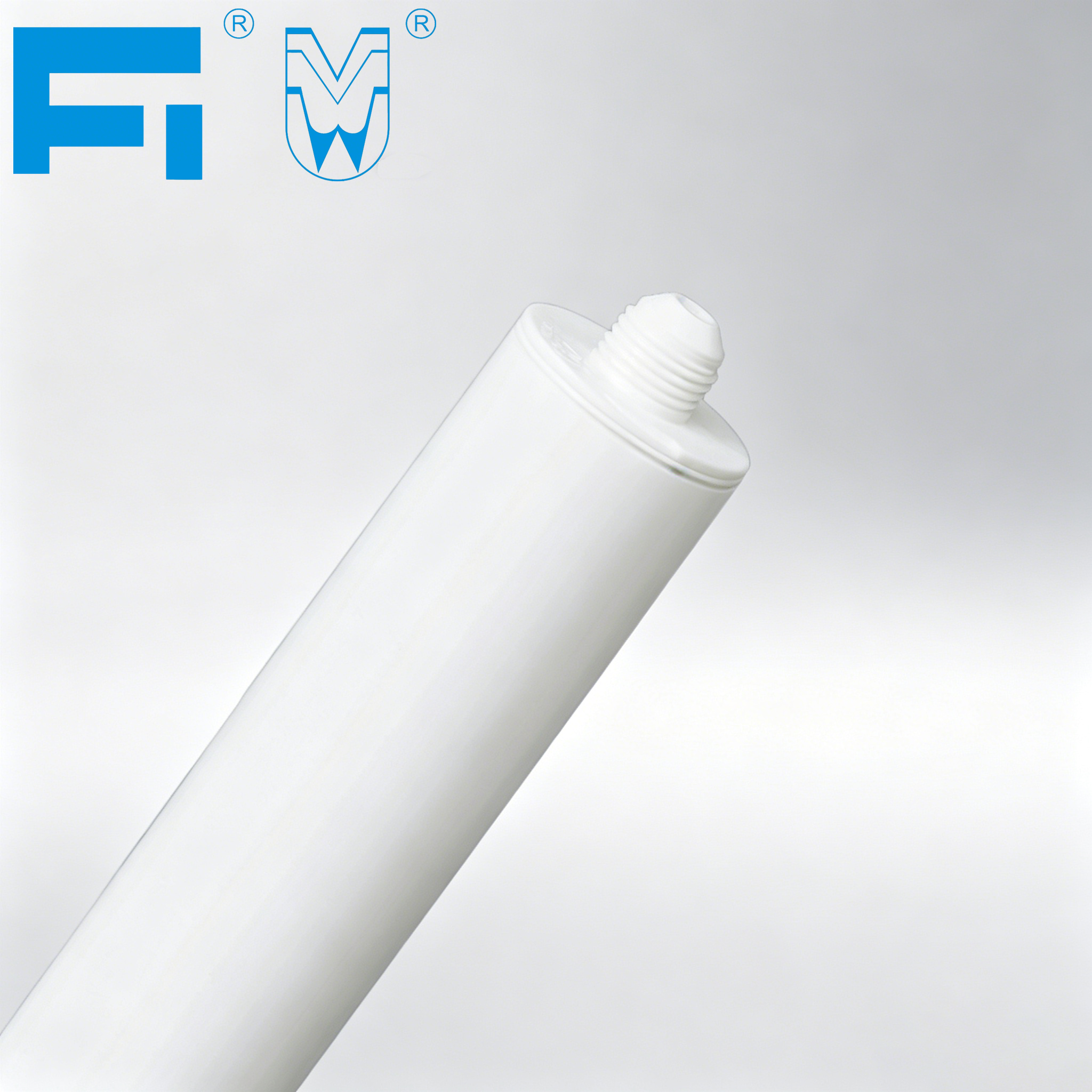
A Technical Data Sheet maps packaging features directly to functional outcomes. It covers the complete cartridge assembly. General specifications leave too much room for supplier error. You need precise material and compatibility details.
Resin quality determines structural integrity. You must verify the use of virgin High-Density Polyethylene. Recycled blends often reduce chemical resistance significantly. They also compromise structural strength unpredictably. Recycled polymers exhibit varying melt flow indexes. This variation leads to inconsistent wall thickness. Your documentation must confirm the HDPE cartridge uses the agreed-upon resin grade. Also, verify the colorant masterbatch formulation. Heavy pigmentation sometimes alters the plastic's shrink rate during cooling.
Cartridges never operate in isolation. They form a system alongside plungers and nozzles. Your TDS must prove exact compatibility. A standard plunger behaves differently than a lip seal. Mechanical seals require very specific internal wall finishes to glide smoothly. Nozzle threading must engage perfectly to prevent leaks under pressure. The documentation should list tested and approved component pairings clearly. Mixing parts from different manufacturers usually voids quality guarantees.
Table 1: Plunger Compatibility Profile
Plunger Type | Ideal Application | Key Requirement Documented in TDS |
|---|---|---|
Standard Flat Plunger | Low-viscosity acrylics | Consistent inner diameter measurements. |
Wiper Lip Plunger | High-viscosity silicones | Flawless internal wall smoothness (no scratches). |
Mechanical Seal | Moisture-sensitive polyurethanes | High burst pressure rating near the base. |
Aggressive solvents destroy cheap plastics quickly. Polyurethane adhesives require robust packaging environments. Demand data confirming the plastic will not degrade over time. The TDS should outline maximum continuous use temperatures. It must detail chemical compatibility ratings for your specific formulation. Storing cartridges in hot warehouses tests the limits of thermal stability.
Legal and environmental compliance ensures frictionless global distribution. Missing certificates cause instant customs seizures. You cannot ignore regulatory paperwork. Proper documentation protects your entire international distribution network.
Buyers usually remember safety sheets for the chemical adhesive. However, you also need them for the plastic packaging. The MSDS proves the packaging contains no banned additives. It confirms the absence of restricted heavy metals. Transport authorities frequently request these documents during ocean freight inspections.
International markets enforce strict environmental directives continually. Europe requires REACH compliance for imported goods. This proves the absence of Substances of Very High Concern (SVHC). You must also secure RoHS compliance documentation. These documents prove your products meet stringent toxicity standards regarding heavy metals like lead and cadmium. Missing REACH declarations routinely freeze shipments at European ports. Customs officers penalize unauthorized imports heavily.
Certain industries demand absolute purity. Automotive and paint sectors reject any silicone contamination. Trace amounts of silicone cause severe surface defects. Paint fisheyes ruin expensive vehicle finishes. You must obtain a formal silicone-free declaration from the manufacturer. This guarantees their injection molding machines use silicone-free release agents.
Table 2: Global Regulatory Document Requirements
Document Type | Target Region | Business Purpose |
|---|---|---|
REACH Declaration | European Union | Proves absence of highly concerning chemical substances. |
RoHS Certificate | Global / EU | Restricts specific hazardous materials like lead and cadmium. |
Silicone-Free Certificate | Automotive / Painting | Prevents chemical contamination causing surface finish defects. |
MSDS / SDS | Global | Provides safe handling procedures and material toxicity data. |
Implementation risks linger long after goods arrive. A defect might appear six months post-shipment. How will you identify the root cause? Traceability documentation provides the answer. It builds a defensive wall around your supply chain.
A robust lot tracking system limits recall scopes efficiently. Ask for documentation detailing the embedding process. The manufacturer should print lot numbers directly on the adhesive packaging cartridge. Date codes help isolate specific production shifts. Some factories use Julian date formats, while others use standard calendar dates. You must understand their specific coding language. This isolation prevents you from discarding entire inventory blocks unnecessarily. If a machine malfunctions at noon, you only scrap the afternoon production batch.
Many buyers interact strictly with trading companies. You must look past the intermediary immediately. Demand proof of active ISO 9001 certification. This certification must cover the specific manufacturing facility. A parent company certificate offers zero protection for factory-level errors. Verify the audit dates remain current. Auditors evaluate the facility's equipment calibration records during ISO 9001 inspections. Expired ISO certificates signal a degrading quality culture. Look for secondary certifications like ISO 14001 for environmental management. These prove the manufacturer operates sustainably and responsibly.
Suppliers who hesitate to provide batch-specific documentation pose severe risks. You should flag them immediately. Reliable manufacturers produce these reports routinely. You must integrate these requirements into your daily procurement operations.
Use document readiness as a vetting tool. A competent factory generates COAs automatically. If a vendor claims this paperwork costs extra, find another supplier. Transparency indicates mature manufacturing processes. Evasive suppliers usually hide poor quality control procedures.
Verbal agreements fail under pressure constantly. Write document presentation requirements directly into your contracts. Tie final payment milestones to the receipt of these files. For international trade, list the required documents in Letters of Credit (LC). Specify the commercial invoices require an attached, batch-specific COA. The bank will not release funds until the supplier provides the paperwork. This strategy ensures ultimate supplier accountability. It removes the emotional friction from quality disputes.
Standardize the receiving process for your QA team. They need a checklist to cross-reference upon receipt of the pre-shipment dossier. Implement the following verification steps:
Match the COA lot number to the commercial invoice directly.
Verify burst pressure values meet your minimum internal threshold.
Check the TDS for virgin resin confirmation explicitly.
Ensure REACH and RoHS certificates cover the current calendar year.
Confirm the silicone-free declaration carries an active manager's signature.
Cross-reference the plunger dimensions against the cartridge inner diameter.
Validate the factory audit date on the ISO 9001 certificate.
Reliable procurement of 300 ml cartridges relies heavily on verifiable data. You cannot build a stable supply chain on supplier promises alone. Securing the right paperwork shifts leverage back to your procurement team. You stop defective components before they enter transit. Standardize your documentation requests across all vendors today. This creates a reliable, side-by-side evaluation framework for future purchasing decisions. Empower your QA team to reject shipments missing critical compliance records. Protect your margins, your brand, and your peace of mind.
A: A TDS shows what the product should be based on initial engineering. A batch-specific COA proves what the current shipment actually is. It accounts for inevitable tooling wear and resin lot variations during manufacturing. Relying solely on a TDS ignores real-world production fluctuations that compromise quality.
A: Yes. Even if bought as a set, tolerances for the plunger and nozzle dictate the overall seal integrity. A flawless cartridge body fails if the plunger leaks. Request dimensional QC reports for all three components to guarantee reliable system performance under pressure.
A: Yes. Customs agencies, particularly in the EU and North America, routinely hold shipments. They will seize containers if basic compliance documents like REACH declarations are missing from the commercial invoice packet. Preparing this paperwork pre-shipment prevents costly demurrage charges and long delivery delays.