
Views: 0 Author: Site Editor Publish Time: 2025-12-25 Origin: Site


In the packaging industry, the choice of container is crucial to ensure the preservation and efficient dispensing of products, especially for high-viscosity items like adhesives and sealants. Packaging must be durable, cost-effective, and capable of maintaining product quality while offering ease of use. Traditional solutions like metal tubes, glass containers, and flexible pouches have long been relied upon, but modern innovations like plastic cartridges are rapidly gaining popularity.
Plastic cartridges have become an essential packaging solution in the adhesive and sealant industries, offering a reliable and cost-effective way to store, protect, and dispense products. Their precision, durability, and customizability make them a preferred choice for many businesses. However, traditional packaging methods still have a place in certain markets. This article compares plastic cartridges with traditional packaging solutions, highlighting the key differences, advantages, and disadvantages of each, to help businesses choose the best option for their needs.
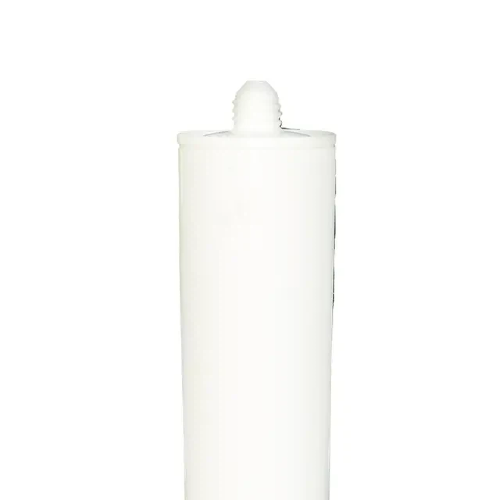
A plastic cartridge is a cylindrical container typically used to store and dispense viscous products like adhesives, sealants, and pastes. These cartridges are made from durable plastic materials, usually HDPE (High-Density Polyethylene) or PP (Polypropylene), which provide strength, chemical resistance, and durability. Plastic cartridges are designed with a nozzle or tip through which the product is dispensed, and they often include a plunger mechanism that helps push the product out in a controlled manner.
The typical components of a plastic cartridge include:
Cartridge Body: The primary container that holds the adhesive or sealant.
Plunger: The internal mechanism that pushes the material toward the nozzle.
Nozzle: The opening through which the product is dispensed. It can be customized for different application needs.
Component | Function | Material |
Cartridge Body | Holds the product and withstands pressure | HDPE or PP |
Plunger | Pushes the product through the nozzle | Polyethylene or plastic |
Nozzle | Dispenses the product in a controlled manner | Plastic, can be customized |
Plastic cartridges are typically made from HDPE and PP because these materials offer high strength, chemical resistance, and flexibility. They are also lightweight, making plastic cartridges easy to handle and transport.
HDPE is particularly known for its high resistance to chemicals and is often used for packaging adhesives and sealants that require strong containment. On the other hand, PP is often preferred for its flexibility, making it suitable for different types of adhesives and sealants that need to maintain their integrity in varying temperatures and humidity conditions.
Traditional packaging methods typically include metal tubes, glass containers, and flexible plastic pouches. These materials have been used for decades to package products ranging from foods and beverages to personal care products and industrial materials like adhesives and sealants.
Metal Tubes: Often used for smaller quantities of adhesives and sealants, these tubes are traditionally made from aluminum or steel. They are well-known for their strength and resistance to pressure.
Glass Containers: Used for products that require a high-end presentation or are sensitive to light, glass containers are common in the pharmaceutical and cosmetic industries. They are more fragile and prone to breakage, but offer excellent protection against air and moisture.
Flexible Plastic Pouches: Typically used for bulk products, these are lightweight and cost-effective but do not offer the same level of precision or protection as other packaging methods.
Packaging Type | Material | Typical Uses |
Metal Tubes | Aluminum, Steel | Adhesives, toothpaste, creams |
Glass Containers | Glass | Pharmaceuticals, luxury cosmetics |
Plastic Pouches | Flexible Plastic | Bulk adhesives, liquids, food |
Plastic Cartridges:
Plastic cartridges are known for their strength and durability, able to withstand high pressure during the dispensing process. They provide excellent protection against external elements like moisture and air, which is crucial for maintaining the integrity of adhesives and sealants.
Traditional Packaging:
Metal Tubes: While metal tubes offer durability, they are more susceptible to dents or damage if subjected to rough handling.
Glass Containers: Glass provides excellent protection but is highly fragile, making it prone to breaking under pressure or if dropped.
Flexible Plastic Pouches: These are lighter and less expensive but offer limited protection and can be prone to leaking or tearing.
Plastic Cartridges:
Plastic cartridges provide precise dispensing, especially for high-viscosity materials. The nozzle design ensures a controlled application, making it ideal for detailed work or where accurate amounts of product are needed.
Traditional Packaging:
Metal Tubes: While they can be used for dispensing, metal tubes do not provide the same level of precision as plastic cartridges. Users often struggle with squeezing out the correct amount of product.
Glass Containers: Glass is typically not used for dispensing, so it requires additional tools or methods to apply the product, making it less convenient.
Flexible Plastic Pouches: These offer moderate control but are not as precise as plastic cartridges, and often result in waste due to over-dispensing.
Plastic Cartridges:
Plastic cartridges are relatively cost-effective to produce and ship, especially in high volumes. Their lightweight nature reduces shipping costs, and the materials used (like HDPE and PP) are affordable and durable.
Traditional Packaging:
Metal Tubes: These are more expensive to produce than plastic cartridges and also require more expensive shipping due to their weight and fragility.
Glass Containers: Glass packaging is typically more costly than plastic cartridges due to the manufacturing process and its weight.
Flexible Plastic Pouches: While inexpensive to produce, these pouches may not provide the same level of protection and precision, making them less efficient for high-end products like sealants.
Plastic Cartridges:
Plastic cartridges are easy to use, especially when paired with applicator guns. They provide ergonomically designed handles and offer precise control over the amount of product dispensed. This feature significantly improves the user experience, particularly for industries requiring high precision like construction and automotive repair.
Traditional Packaging:
Metal Tubes: Metal tubes require more manual effort to squeeze, leading to wasted product and inconsistent application.
Glass Containers: Glass is not designed for precision dispensing and often requires additional tools for proper application.
Flexible Plastic Pouches: While they may be convenient for bulk applications, pouches lack the control and precision that plastic cartridges offer.
Plastic Cartridges:
Plastic cartridges help maintain longer shelf life by providing airtight seals and reducing the risk of contamination. They are also lightweight and easy to store, taking up minimal space during transport and on shelves.
Traditional Packaging:
Metal Tubes: While metal tubes protect the contents, they are more prone to damage and corrosion over time.
Glass Containers: Glass provides excellent protection but can be more prone to breakage and deterioration due to the weight and fragility.
Flexible Plastic Pouches: Pouches are convenient but may not provide the same level of airtight protection as plastic cartridges, affecting the product's long-term stability.
Plastic Cartridges:
Customizable in size, nozzle design, material, and branding, allowing businesses to create packaging that fits their specific needs. Custom designs also improve the product’s brand recognition and aesthetic appeal.
Traditional Packaging:
Metal Tubes: Customization options for metal tubes are limited, and they often don’t provide the same level of flexibility as plastic cartridges.
Glass Containers: While glass can be molded into different shapes, the high cost makes it harder to achieve significant customization at scale.
Flexible Plastic Pouches: Pouches offer some level of customization, but they cannot match the precision and versatility of plastic cartridges.
Plastic cartridges have quickly become the preferred packaging solution for adhesives, sealants, and other viscous products, offering significant advantages over traditional packaging options like metal tubes, glass containers, and flexible plastic pouches. These cartridges are durable, cost-effective, and provide precise dispensing, making them ideal for a wide range of industries. Furthermore, they can be customized to suit specific needs, enhancing product efficiency and user experience.
At New Chang-an Plastic Enterprise, we specialize in high-quality plastic cartridges designed to meet the diverse requirements of businesses. Our products are built to ensure reliable performance, ease of use, and sustainability. Whether you're in need of standard cartridges or customized solutions, we offer packaging that aligns with your needs.
We invite you to explore how our plastic cartridges can improve your packaging processes. Contact us today to learn more about our offerings and how we can help streamline your operations with efficient and eco-friendly solutions.
What are the benefits of using plastic cartridges over traditional packaging?
Plastic cartridges provide enhanced precision, cost-effectiveness, and durability. They are also more environmentally friendly due to the use of recyclable materials and can be customized to suit specific applications.
Why are plastic cartridges more cost-effective than metal or glass containers?
Plastic cartridges are made from affordable materials like HDPE and PP, which are lightweight, easy to manufacture, and cheaper to ship compared to metal tubes or glass containers.
Can plastic cartridges be used for all types of adhesives and sealants?
Yes, plastic cartridges can accommodate a wide range of adhesives and sealants. The choice of material, nozzle design, and cartridge size may vary depending on the viscosity and chemical composition of the product.
Are there eco-friendly options for plastic cartridges?
Yes, many plastic cartridges are made from recyclable materials like HDPE and PP. Some manufacturers are also exploring biodegradable plastics to further reduce environmental impact.
Are plastic cartridges more durable than traditional packaging?
Yes, plastic cartridges are typically more durable than metal tubes or glass containers. They are less prone to damage during transport and are better at protecting the contents from external elements like moisture and air.