
Views: 0 Author: Site Editor Publish Time: 2025-12-11 Origin: Site


Plastic cartridges have become essential packaging solutions across a wide range of industries. From construction and automotive to DIY projects and the pharmaceutical industry, these cartridges play a crucial role in dispensing a variety of products, including adhesives, sealants, lubricants, coatings, and more. Their versatility, precision, and ease of use make them a preferred choice for both small-scale and large-scale applications. In this article, we will dive deeper into the different types of plastic cartridges available, exploring their specific uses, advantages, and how they cater to the diverse needs of various industries. Understanding these options helps businesses and consumers make well-informed decisions when selecting the right cartridge for their needs.
Plastic cartridges are cylindrical containers designed to store and dispense products such as adhesives, sealants, lubricants, and coatings. They provide a practical and controlled dispensing method, ensuring that products are applied with precision and minimal waste.
These cartridges are used across a wide range of industries, including construction, automotive, DIY, and industrial manufacturing, where the need for efficient, accurate, and controlled application of products is critical.
Plastic cartridges come in several types, each tailored to meet the unique requirements of different industries and applications. The primary types include Standard Plastic Cartridges, Two-Component Plastic Cartridges, Specialty Plastic Cartridges, Eco-Friendly Plastic Cartridges, and Customizable Plastic Cartridges. Each type offers specific benefits, such as enhanced precision, sustainability, or custom branding, ensuring that businesses can find the ideal solution for their packaging and dispensing needs. Let’s explore each type in detail to understand their advantages.
Standard plastic cartridges are the most commonly used type of cartridge for dispensing products such as sealants, adhesives, and lubricants. These cartridges come in various sizes, with the most common being 310 ml, 600 ml, and 2700 ml.
310 ml cartridges are often used for smaller-scale applications like caulking gaps in windows and doors.
600 ml cartridges are more commonly used in construction for tasks like flooring installations and joint sealing.
2700 ml cartridges are typically used for bulk dispensing in larger industrial applications.
These cartridges are designed for high-viscosity products, which require controlled dispensing and precise application.
Material: Typically made from HDPE (High-Density Polyethylene) or PP (Polypropylene), standard plastic cartridges offer excellent chemical resistance, durability, and strength. These materials ensure that the cartridge holds up under pressure and protects the contents from contamination.
Precision: Standard plastic cartridges offer controlled dispensing, ensuring that the right amount of product is applied without spillage or waste.
Ease of Use: Standard cartridges are equipped with a plunger that pushes the product through a nozzle. The nozzle size can be customized to allow for different levels of application precision.
Size | Application | Common Uses |
310 ml | Small to medium-scale projects | Caulking, window and door sealant, small repairs |
600 ml | Medium to large-scale projects | Construction, adhesive applications |
2700 ml | Industrial-scale dispensing | Bulk adhesive or sealant dispensing |
Two-component plastic cartridges are specialized cartridges designed to hold two separate components that need to be mixed before use. These cartridges are commonly used in the dispensing of epoxy adhesives, silicone sealants, and other products that require a hardener or catalyst to activate. The two components are dispensed through separate chambers and are mixed using a static mixer that combines them as they are pushed through the nozzle.
Dual Chambers: A two-component cartridge features two chambers, each holding one component. When pressure is applied, both components are forced out of their respective chambers simultaneously.
Static Mixer: The components are mixed together in a static mixer attached to the nozzle. The mixer ensures that the two components are blended thoroughly as they are dispensed, creating a homogeneous mixture for application.
Accurate Mixing: The static mixer ensures that the components are properly mixed, which is crucial for ensuring the strength and reliability of the adhesive or sealant.
Efficient Dispensing: Two-component cartridges allow for simultaneous dispensing and mixing, saving time and reducing the likelihood of errors in the application process.
Component | Function | Benefits |
Base Material | The main component (e.g., epoxy) | Provides the strength and bonding capability |
Hardener | The secondary component (e.g., catalyst) | Activates the chemical reaction, making the material set |
Static Mixer | Device for mixing components | Ensures uniform mixing and proper consistency |
Specialty plastic cartridges are designed to meet the needs of industries with specific requirements. These cartridges offer unique features that make them suitable for sensitive applications or products that need extra protection or specialized handling.
Tamper-Proof Designs: Some specialty cartridges are designed with tamper-proof seals to ensure product integrity. These cartridges are often used in the pharmaceutical or food industries, where product contamination or tampering is a significant concern.
UV-Resistant Coatings: Cartridges with UV-resistant coatings are ideal for products that will be exposed to sunlight or other ultraviolet light sources. These cartridges help preserve the quality of the contents by preventing UV degradation.
Temperature-Resistant: Some specialty cartridges are designed to withstand high or low temperatures, making them suitable for applications involving heat-sensitive products.
Pharmaceuticals: For sterile and tamper-proof packaging of drugs.
Food Industry: For safe dispensing of food-grade adhesives or sealants.
Outdoor Equipment: UV-resistant cartridges are used for outdoor applications, including adhesives for outdoor construction or automotive repairs.
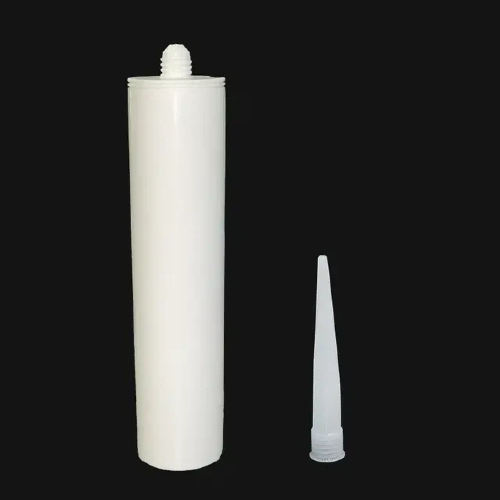
Eco-friendly plastic cartridges are made from recyclable or biodegradable materials to reduce environmental impact. With the increasing demand for sustainable packaging solutions, these cartridges are becoming more popular in industries looking to minimize their carbon footprint.
Recyclability: Made from materials like HDPE and PP, which are easily recyclable, these cartridges help reduce waste and promote the reuse of packaging materials.
Reduced Environmental Impact: Eco-friendly cartridges contribute to sustainability by using fewer resources and producing less waste compared to traditional plastic packaging.
Green Building Projects: Used for eco-friendly sealants and adhesives in construction.
Consumer Goods: For packaging products like organic cleaning agents or eco-conscious adhesives.
Material | Recyclability | Benefits |
HDPE | 100% recyclable | Strong, lightweight, and chemical-resistant |
PP | Easily recyclable | Flexible, resistant to heat, and moisture |
Customizable plastic cartridges are designed to meet specific needs in terms of size, color, material, branding, and nozzle design. These cartridges can be tailored to fit unique requirements, offering enhanced functionality and marketing opportunities.
Size and Volume: Cartridges can be made in various sizes to meet specific dispensing needs, from small DIY projects to large industrial applications.
Nozzle Design: The nozzle can be customized to control the flow of the product, ensuring precision when dispensing viscous substances.
Branding and Labels: Custom labels, including In-Mold Labeling (IML), allow for high-quality branding and enhanced product recognition.
Brand Identity: Custom cartridges offer an opportunity for businesses to promote their brand by incorporating logos, labels, and other branding elements.
Specialized Application: Custom sizes and nozzles ensure that cartridges are optimized for specific use cases, providing better performance and convenience.
Plastic cartridges come in a variety of types, each tailored to meet the needs of different industries and applications. Whether you're looking for standard plastic cartridges, two-component systems, specialty options, eco-friendly alternatives, or customizable designs, we offer solutions for nearly every product that requires precise dispensing.
At New Chang-an Plastic Enterprise, we specialize in providing high-quality plastic cartridges that cater to a wide range of industrial and commercial requirements. With our extensive expertise, we help businesses choose the right cartridge type based on their specific needs, ensuring cost-effectiveness without compromising on performance. Whether you're looking for a standard solution or a customized option, we have the capabilities to deliver.
If you’re interested in learning more about our products and how they can support your business, we invite you to explore our offerings and reach out to us today. Our team is here to assist you in selecting the ideal packaging solution for your products, ensuring efficiency and reliability.
What are standard plastic cartridges used for?
Standard plastic cartridges are used for dispensing adhesives, sealants, lubricants, and other high-viscosity materials, commonly found in industries like construction, automotive, and DIY.
What is a two-component plastic cartridge?
A two-component plastic cartridge is designed to hold and dispense two separate substances (such as an adhesive and hardener), which are mixed as they are dispensed.
Are there eco-friendly plastic cartridges?
Yes, eco-friendly plastic cartridges are made from recyclable or biodegradable materials, making them an environmentally sustainable choice for packaging.
Can plastic cartridges be customized?
Yes, plastic cartridges can be customized in terms of size, nozzle design, material, and branding to meet specific customer requirements.
What industries use specialty plastic cartridges?
Specialty plastic cartridges are used in industries that require specific features such as tamper-proof designs or UV resistance, including pharmaceuticals, food, and outdoor applications.