
Views: 0 Author: Site Editor Publish Time: 2025-12-09 Origin: Site


Plastic cartridges are an essential packaging solution used to store and dispense a wide variety of products, ranging from adhesives and sealants to lubricants and coatings. These cartridges are designed for precision dispensing, ensuring that products are applied efficiently and with minimal waste. In this article, we will explore the various types, features, and applications of plastic cartridges and their key advantages in industrial and consumer markets.
A plastic cartridge is a cylindrical container commonly used for storing and dispensing various products, such as sealants, adhesives, lubricants, coatings, and pastes. Plastic cartridges are designed to allow for controlled dispensing, ensuring that the product is used in an efficient and precise manner. Typically, the cartridge is equipped with a plunger that pushes the product through a nozzle, making the application process simple and effective.
The core materials used in the manufacture of plastic cartridges include HDPE (High-Density Polyethylene) and PP (Polypropylene). These materials are favored for their chemical resistance, strength, and ability to withstand the pressures involved in dispensing viscous substances. Plastic cartridges come in various shapes and sizes, making them suitable for a wide range of applications, both commercial and domestic.
Standard plastic cartridges are the most widely used type of cartridge, found in various applications across different industries. These cartridges typically come in a range of sizes, including 310 ml, 600 ml, and 2700 ml. The size chosen generally depends on the volume of product required for a specific task.
For example, a 310 ml cartridge is commonly used in construction for applying sealants and adhesives to joints and gaps, while the 600 ml size is suitable for larger projects requiring more substantial quantities of material. Larger 2700 ml cartridges are often used for bulk dispensing in industrial applications where higher volumes of products are needed.
These cartridges are well-suited for high-viscosity substances like silicone, caulking compounds, and adhesives, and they provide a precise, mess-free application.
Two-component cartridges are designed for products that require mixing before application. These cartridges are often used for products such as epoxy adhesives and silicone sealants that consist of two separate components — a base material and a hardener or catalyst.
These cartridges have two chambers, each holding one component. When the plunger is applied, the components are dispensed simultaneously and mixed through a static mixer integrated into the nozzle. This ensures that the two substances are perfectly blended at the point of application, making them ideal for high-performance adhesives used in industries such as automotive, construction, and manufacturing.
The design of these cartridges helps ensure accurate mixing and precise dispensing, allowing for high-quality results even in demanding environments.
Specialty plastic cartridges are designed to cater to specific industry needs and may come with unique features, such as tamper-proof seals or UV-resistant coatings. These cartridges may also be customized with different types of nozzles for specific dispensing requirements, ensuring that they are suited to the precise demands of each industry. For instance, pharmaceutical and food industries may require cartridges that are designed to maintain product integrity, while automotive applications might demand cartridges capable of withstanding higher pressure and more demanding conditions.
Moreover, some specialty cartridges are engineered with enhanced environmental protections, such as biodegradable materials or recyclable packaging, aligning with the increasing emphasis on sustainability in packaging solutions.
Plastic cartridges are primarily made from HDPE (High-Density Polyethylene) and PP (Polypropylene), two of the most common and durable plastics in the packaging industry. Both materials are known for their chemical resistance and durability, making them ideal for containing products that may be reactive or viscous.
These materials are also lightweight, which reduces transportation costs and makes handling easier. HDPE, for instance, is not only resistant to chemicals but also has a high tensile strength, making it perfect for applications where the cartridge must withstand pressure without breaking or leaking.
Material | Benefits | Applications |
HDPE | Strong, resistant to chemicals, lightweight | Construction, automotive, industrial |
PP | Resistant to heat and moisture, flexible | DIY, home repair, commercial adhesives |
Plastic cartridges made from these materials can store a wide variety of chemicals and are cost-effective, offering both performance and value. Additionally, they can be recycled, which is an increasingly important feature in today’s eco-conscious market.
One of the primary advantages of plastic cartridges is their customizability. Manufacturers can modify plastic cartridges in terms of size, material, color, and labeling to meet the specific needs of their customers. The customization allows businesses to add branding elements to the packaging, helping to enhance product visibility and recognition in the marketplace.
One of the most popular techniques used in customizing plastic cartridges is In-Mold Labeling (IML). This process embeds labels into the plastic during the manufacturing phase, making them more durable and resistant to wear and tear. IML also allows for high-resolution, multi-color printing, ensuring that the cartridges not only serve as functional packaging but also as an effective marketing tool.
Plastic cartridges are designed to make the dispensing of viscous products as simple and efficient as possible. The typical plastic cartridge is equipped with a plunger that pushes the product through a nozzle, and in some cases, a static mixer is used to combine different components. This ensures a smooth, controlled application without the need for complex equipment.
Cartridges come with different types of nozzles that can be tailored to specific applications. For example, some nozzles are designed for high-precision dispensing, while others are larger to allow for faster, bulk dispensing. The right nozzle can make the difference in how well the product is applied, whether it’s for fine detailing or covering large surface areas.
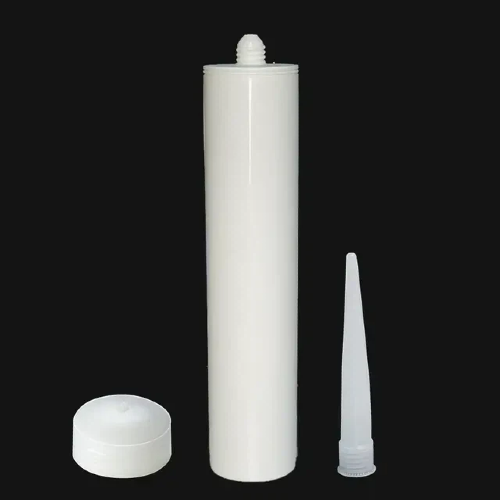
Plastic cartridges are widely used in the construction industry, primarily for dispensing sealants and adhesives. These products are essential for tasks such as window installation, flooring applications, and sealing joints between building materials. Plastic cartridges ensure the precise application of these materials, reducing waste and enhancing the speed of construction projects.
In addition to adhesives, plastic cartridges are also used for applying fire-resistant sealants and caulking materials to ensure building integrity and safety. Their ability to handle high-viscosity materials makes them perfect for a variety of demanding construction applications.
The automotive industry relies on plastic cartridges for dispensing adhesives and sealants that are used in vehicle assembly and maintenance. For instance, plastic cartridges are used for applying windshield adhesives and weatherstripping sealants, both of which are critical to vehicle safety and performance.
These cartridges are designed to handle high-pressure and temperature conditions, ensuring the integrity of the sealant and adhesive as it cures. Their durability and precision make them ideal for automotive repairs, bonding parts, and sealing joints in cars, trucks, and other vehicles.
Plastic cartridges have become increasingly popular in the DIY market. These cartridges are commonly used for home repairs, such as sealing cracks, filling gaps, and applying adhesives for various materials like wood, metal, and plastic. The precision of the dispensing system makes them ideal for small-scale, high-detail projects.
For DIY enthusiasts, plastic cartridges are an excellent way to ensure clean, accurate applications, especially when working with caulking compounds or adhesive glues. Their ease of use allows individuals to handle tasks that would traditionally require professional equipment.
Plastic cartridges offer greater efficiency compared to other forms of packaging. They allow for precise dispensing, which reduces product wastage and ensures that the exact amount of material is used. For businesses, this means that fewer resources are spent on material loss, and workers can complete tasks more quickly and accurately.
Many plastic cartridges are designed to be recyclable, which is increasingly important for businesses aiming to reduce their environmental footprint. Materials like HDPE and PP are widely recyclable, which helps in reducing packaging waste and contributing to a circular economy.
Plastic cartridges are compact, lightweight, and easy to handle. Their design makes them ideal for both storage and transportation, as they take up minimal space while keeping the contents safe from contamination. This makes them easier to stock and distribute, reducing logistical challenges for manufacturers and suppliers.
When selecting a plastic cartridge, several factors must be considered, including the product viscosity, required volume, and the type of nozzle. For example, high-viscosity products may require larger cartridges to withstand the pressure required for dispensing, while a product’s viscosity may also dictate the type of nozzle needed for optimal application.
Plastic cartridges are a versatile and highly effective packaging solution, widely used across industries like construction, automotive, and consumer DIY projects. Offering durability, customizability, and eco-friendly features, these cartridges ensure efficient dispensing of a broad range of products. Their precision dispensing capabilities, combined with recyclable materials, make them a preferred choice for both businesses and individual consumers. Additionally, the ability to tailor plastic cartridges to meet specific requirements adds significant value, ensuring that the packaging is not only functional but also aligns with brand needs.
At New Chang-an Plastic Enterprise, we specialize in providing high-quality plastic cartridges designed to meet various industry demands. Our products are crafted for reliability and performance, offering customizable options for both large-scale industrial applications and smaller consumer projects. If you’re looking for a trusted supplier of plastic cartridges, we invite you to learn more about our offerings and explore how we can support your packaging needs. Reach out to us today to discuss how we can collaborate on your next project.
What are the common materials used for plastic cartridges?
The most common materials for plastic cartridges are HDPE (High-Density Polyethylene) and PP (Polypropylene), both of which are durable, chemical-resistant, and recyclable.
What industries use plastic cartridges?
Plastic cartridges are used across various industries, including construction, automotive, and DIY/home repair, for applications such as dispensing sealants, adhesives, and lubricants.
Can plastic cartridges be customized?
Yes, plastic cartridges can be customized in terms of size, material, color, branding, and labeling, with options like In-Mold Labeling (IML) for enhanced durability and brand recognition.
Are plastic cartridges eco-friendly?
Many plastic cartridges are made from recyclable materials such as HDPE and PP, contributing to environmentally-friendly packaging solutions.
How do two-component plastic cartridges work?
Two-component plastic cartridges are designed to dispense and mix two substances (like epoxy or silicone) simultaneously using a static mixer to ensure an accurate chemical application during dispensing.